
Pterygium and Pinguecula in Orange County: Causes, Prevention, and No-Stitch Surgery
Reviewed by Dr. Audrey Tai, board-certified, fellowship-trained ophthalmologist — Athena Eye Care, Mission Viejo, Orange County, CA
Quick answer: Pterygium and pinguecula (often called "Surfer's Eye") are growths on the conjunctiva — the clear surface layer of the eye — caused primarily by chronic UV exposure, wind, and dust. A pinguecula is a small yellowish bump on the white of the eye; if it grows onto the cornea, it becomes a pterygium, which can cause irritation, redness, and blurred vision. Dr. Tai is an expert in no-stitch pterygium surgery with conjunctival autograft, the technique with the lowest recurrence rate in peer-reviewed ophthalmology literature.
▶ Hear directly from our patients about their cataract surgery experience
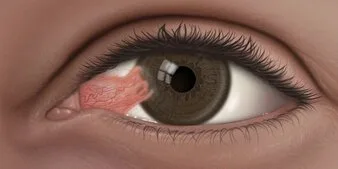
What Are Pterygium and Pinguecula?
Pterygium and pinguecula — commonly known as "Surfer's Eye" — are growths on the conjunctiva of the eye. The conjunctiva is the clear, thin layer of tissue covering the white part of the eye (the sclera).
These growths typically begin as a small yellow or pinkish bump on the white of the eye — a pinguecula. Over time, with continued sun, wind, and dust exposure, the growth can extend onto the clear "windshield" of the eye (the cornea) — at which point it is called a pterygium.
Both pinguecula and pterygium can cause:
- Inflammation and irritation of the eye
- Redness
- Tearing
- Sensitivity to light
- A persistent foreign body sensation ("something in my eye")
As a pterygium grows further onto the cornea, it can:
- Distort the corneal surface, causing astigmatism
- Block the visual axis, causing blurry vision
- Become a cosmetic concern
Pterygium is most common in adults who spend significant time outdoors — surfers, fishermen, farmers, construction workers, golfers, and Southern California residents in general — but it can affect anyone with cumulative UV exposure.
How to Prevent Pterygium and Pinguecula
Both pinguecula and pterygium are caused primarily by exposure to ultraviolet (UV) light from the sun, along with wind and dust irritation. The good news: prevention is straightforward and effective.
Prevention strategies:
- Wear sunglasses with full UV protection every time you're outdoors — including on cloudy days. Wraparound sunglasses provide the best coverage from peripheral UV rays.
- Wear a wide-brimmed hat in addition to sunglasses for extra protection.
- Protect your eyes from excessive dust, wind, and dry air with appropriate eyewear during outdoor work, sports, or travel in dry climates.
- Use artificial tears routinely to keep your eyes lubricated and reduce surface irritation, particularly if you spend significant time outdoors or in dry environments.
- Schedule regular eye exams so any pinguecula can be monitored for progression to pterygium.
For Orange County residents, year-round sun exposure makes daily UV protection especially important — even brief, repeated outdoor exposure adds up over decades.
Questions about preventing pterygium and pinguecula? Request a consultation with Dr. Tai →
Treatment for Pterygium and Pinguecula
Many small pinguecula and early pterygia don't require surgery — they can be managed with:
- Artificial tears to relieve irritation
- Mild anti-inflammatory eye drops when needed
- Strict UV protection to slow further growth
- Routine monitoring by your ophthalmologist
When Is Surgery Needed?
Surgical removal is considered when a pterygium:
- Affects vision by inducing astigmatism or growing toward the visual axis
- Causes persistent discomfort or chronic redness
- Becomes a significant cosmetic concern
- Recurs after prior treatment
No-Stitch Pterygium Surgery with Conjunctival Autograft
Dr. Tai is an expert in pterygium surgery and offers no-stitch pterygium surgery with fast recovery and excellent cosmetic results.
How the Procedure Works
- Gentle removal of the pterygium from the corneal and scleral surface.
- Application of a specialized medication (when indicated) to the affected area to reduce recurrence risk, depending on the severity and characteristics of the pterygium.
- Conjunctival autograft. A small piece of healthy conjunctival tissue from underneath the patient's own upper eyelid is gently transplanted to cover the area where the pterygium was removed. The graft is secured with biological tissue adhesive instead of stitches — improving comfort and recovery.
Why Conjunctival Autograft?
Among the various surgical options for pterygium — including amniotic membrane graft and bare sclera technique — the conjunctival autograft technique has been shown to have the lowest recurrence rate in published ophthalmology literature.¹
This matters because pterygium recurrence is the most common complication of pterygium surgery. Choosing the right surgical technique — and a surgeon experienced in performing it — significantly improves your long-term outcome.
What to Expect After Pterygium Surgery
- Outpatient procedure typically performed under local anesthesia with light sedation
- Mild discomfort for the first few days, managed with prescribed drops and over-the-counter pain relievers
- Redness in the operated area for several weeks as the graft heals — this fades over time
- Strict UV protection is critical during recovery and afterward to reduce recurrence risk
- Most patients return to normal activities within about a week, with continued healing over several weeks
Frequently Asked Questions About Pterygium
- Will my pterygium come back after surgery?
- Recurrence is the most common complication of pterygium surgery. The conjunctival autograft technique that Dr. Tai uses has the lowest recurrence rate among the major surgical approaches, but recurrence is still possible. Strict UV protection after surgery substantially reduces recurrence risk.
- Is pterygium cancer?
- No. Pterygium is a benign growth — it is not cancer and does not spread to other parts of the body. However, growths on the eye should always be evaluated by an ophthalmologist to rule out other conditions.
- Can pterygium go away on its own?
- No. Pterygium does not regress on its own. It can be slowed with UV protection but is permanently removed only with surgery.
- Why is it called "Surfer's Eye"?
- Because pterygium is so closely linked to high UV exposure and wind/water reflection, it's especially common in surfers and others who spend long hours outdoors near sand, water, or snow. Despite the nickname, anyone with chronic outdoor exposure can develop pterygium.
- Does pterygium affect vision?
- A small pterygium typically doesn't affect vision. As it grows, it can induce astigmatism or extend toward the visual axis, causing blurred vision. Surgery is generally recommended before vision is meaningfully impacted.
- How long does pterygium surgery take?
- The procedure typically takes about 30 minutes per eye.
- Is pterygium surgery covered by insurance?
- When pterygium is causing visual symptoms, irritation, or growth toward the visual axis, surgery is generally considered medically necessary and covered by most insurance plans. Cosmetic-only cases may not be covered.
More questions about pterygium? Request a consultation with Dr. Tai →
Schedule a Pterygium Consultation in Orange County
If you have a noticeable growth on the white of your eye, recurring redness or irritation, or have been told you have a pterygium that's affecting your vision, schedule a consultation with Dr. Tai.
📞 Call: (949) 889-2020
🌐 Visit: www.athenaeyecare.com
Your journey to your best vision starts here — with Dr. Audrey Tai at Athena Eye Care, serving Mission Viejo, San Juan Capistrano, Laguna Niguel, Dana Point, San Clemente, and the wider Orange County, California community.
¹ Kaufman SC, et al. Options and Adjuvants in Surgery for Pterygium: A Report by the American Academy of Ophthalmology. Ophthalmology. 2013 Jan;120(1):201-8. doi: 10.1016/j.ophtha.2012.06.066. Epub 2012 Oct 11.